Epic Universe: One Year Later
Epic Universe opened May 22, 2025, and its first year looks like a clear commercial success with some rough edges. Universal won’t publish attendance, but Monsters Unchained has passed 5 million riders and Battle at the Ministry 4 million.

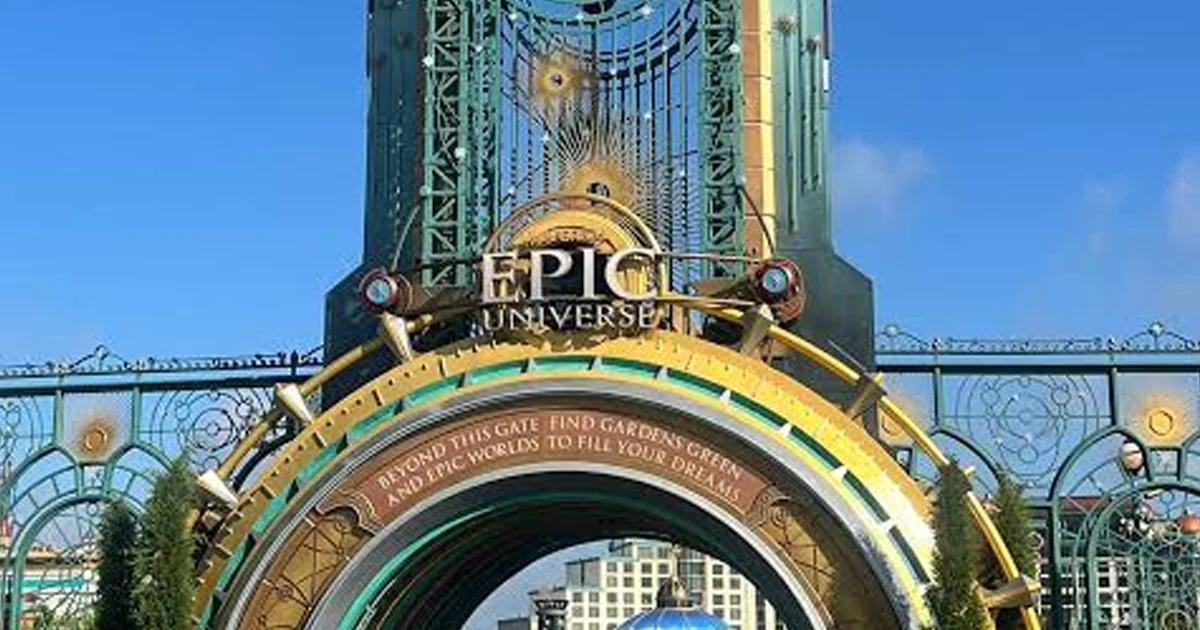
Somewhere around the 4-million-rider mark for Harry Potter and the Battle at the Ministry, you stop asking whether Universal’s newest gate was a hit and start asking what kind of hit it turned out to be, because those are two very different questions. Epic Universe opened on May 22, 2025, and now that the first year is wrapping up, the picture is messier and a good deal more interesting than the ribbon-cutting hype suggested.
Start with the thing nobody outside Universal can pin down: attendance. The company doesn’t publish it. General manager Jeff Polk has only said that millions of people came through in year one, and that the resort’s roughly 11,000 hotel rooms were full most days, which is a lot of heads on pillows even if it isn’t a number you can put in a spreadsheet. You’ll see “10 million” floating around the internet, but as far as I can tell that’s an analyst-flavored estimate rather than anything official, so I’d hold it loosely.
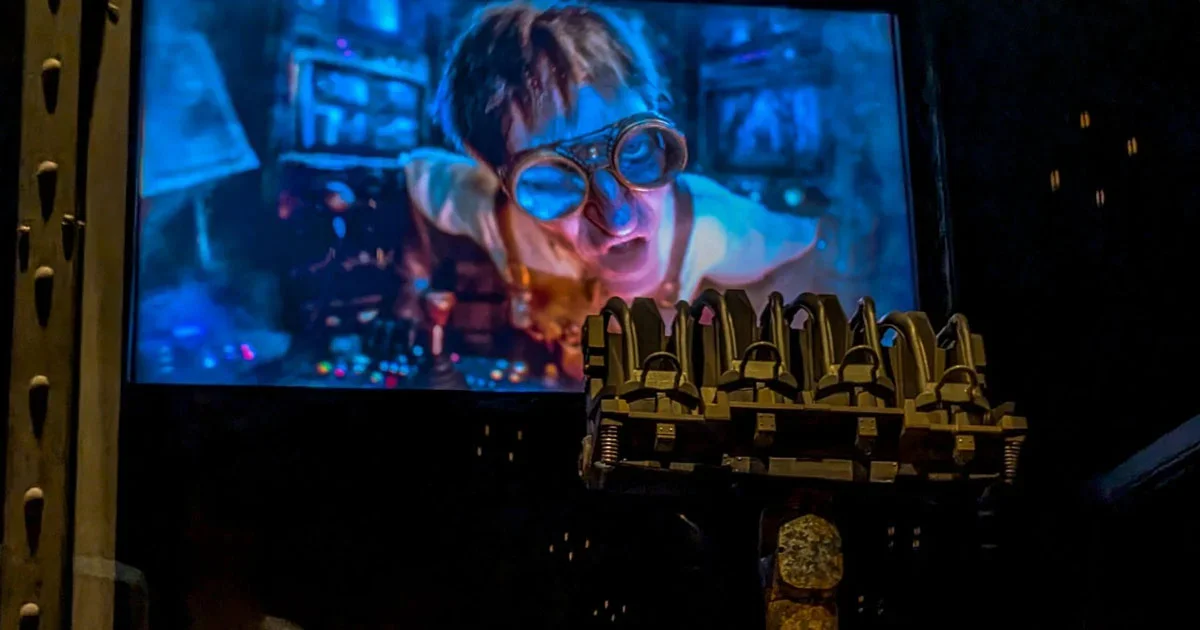
What we do have are ride counts, and they’re hard to argue with. Monsters Unchained: The Frankenstein Experiment passed 5 million riders, and the Ministry ride is past 4 million - impressive for a pair of attractions that, in the Ministry’s case, spent a good chunk of the year behind a virtual line that people complained about (the line, not the ride, whose sets and visuals keep getting the loudest praise from reviewers).
What landed
Stardust Racers, mostly. Of everything in the park it’s the attraction enthusiast reviews agree on most, two launched coasters racing each other and throwing out airtime that more than a few riders say they hadn’t felt on a coaster before. Early on it also moved people quickly with its six-train operation, which, in a park where the hub clogs like a bathtub drain, counts as a minor miracle. Battle at the Ministry and Monsters Unchained trade the “best ride in the park” title back and forth depending on who you ask, and I’d argue that’s the healthiest sign of all: when your top two argue about first place, the roster is doing its job.
Universal’s own takeaway, at least in public, is that story and live entertainment matter in every land and not just the ones with a wizard in them. Comcast’s leadership went further and said the park has “done everything we wanted,” pointing to higher attendance across the whole resort, bigger guest spending and longer stays. Take the corporate scorecard with the usual grain of salt, but the hotels being full backs it up.
What flopped, or at least wobbled
Mario Kart: Bowser’s Challenge gets a respectable “solid” from critics, which is a polite way of saying it’s the same augmented-reality dark ride Japan and Hollywood already have, in a park that was sold as one-of-a-kind. Fine ride, maybe. A showstopper? Not really.
The harder knock is capacity. Spring break brought reports of 90-minute waits for the headliners, with crowds jammed up in the central hub, and the park spent a stretch of the winter without its star coaster: Stardust Racers was closed from February 19 to March 25, 2026, with the reopening date pushed back four times. When your best ride is the one that goes dark for that long, guests notice, and so does everyone planning a trip around it.
There’s also the fine print on access. The park originally came with one-day-only tickets, and it wasn’t until January 1, 2026 that multi-day Epic Universe admission and park-to-park access arrived. Annual Pass holders are still waiting on theirs, and the Helios Grand Hotel, for all its park views, doesn’t include free Express Pass. People paid attention to that, and not warmly.
What’s changed
Mostly the ticketing, as noted, plus a bit of language on Universal’s website hinting that virtual lines could one day be used to get into the lands themselves. That hasn’t become routine as far as I know, so consider it a warning light, not a policy.
So where does that leave us? Somewhere pleasantly in the middle, I think. Epic Universe is clearly a commercial success and, ride for ride, a strong park. It’s also a park still sanding down its edges: crowd flow, reliability, who gets in on which ticket. Year two probably won’t be about adding anything flashy so much as making what’s there run smoothly, which sounds dull and is exactly what will decide whether people come back.
If you’ve ridden it, it’s worth logging every attraction on its Coaster Collector page and rating each one honestly, because after twelve months of hype and counter-hype, collector scores may tell us more than any press release will.